There is something quietly transformative about the right piece of wall art. It can anchor a room, set the mood, and tell you something important about the person who lives there — all before you have even sat down. In 2026, UK homeowners are approaching wall art with a fresh sense of confidence and intention. The days of choosing a print simply to fill an empty wall are firmly behind us. This year, it is all about atmosphere, personality, and choosing pieces that give your home a stronger, clearer point of view. Whether you are starting from scratch or looking to refresh a tired room, here is everything you need to know about the wall art trends shaping British interiors right now.
Warm Earth Tones Are Setting the Mood
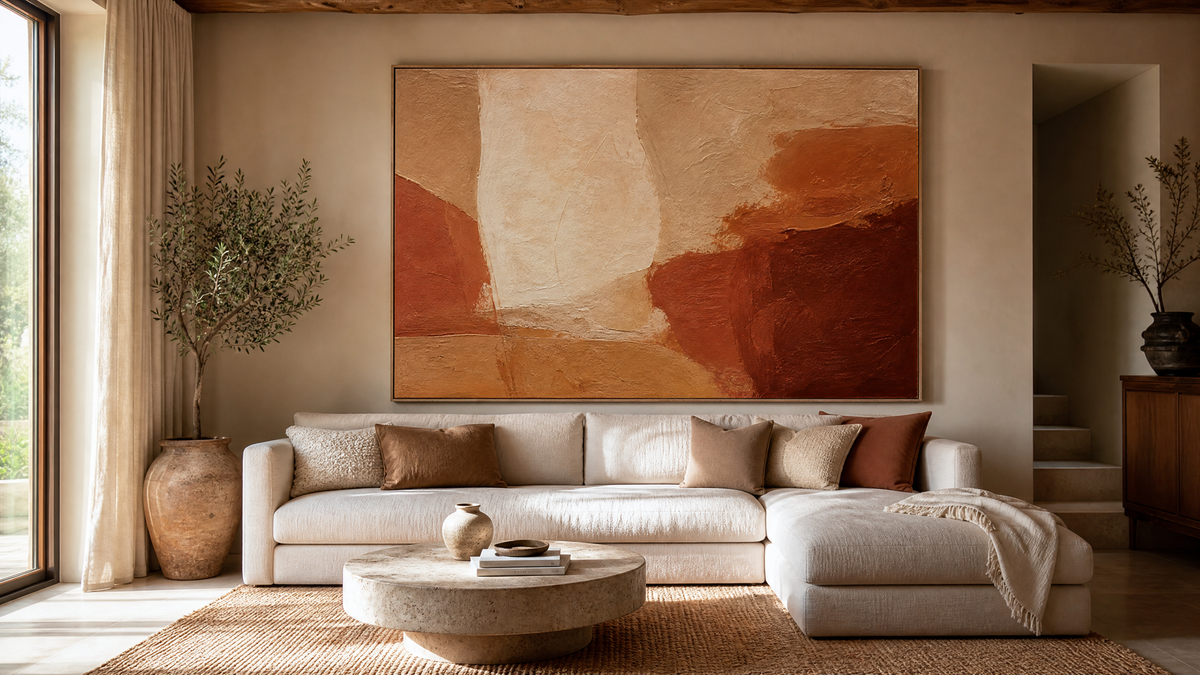
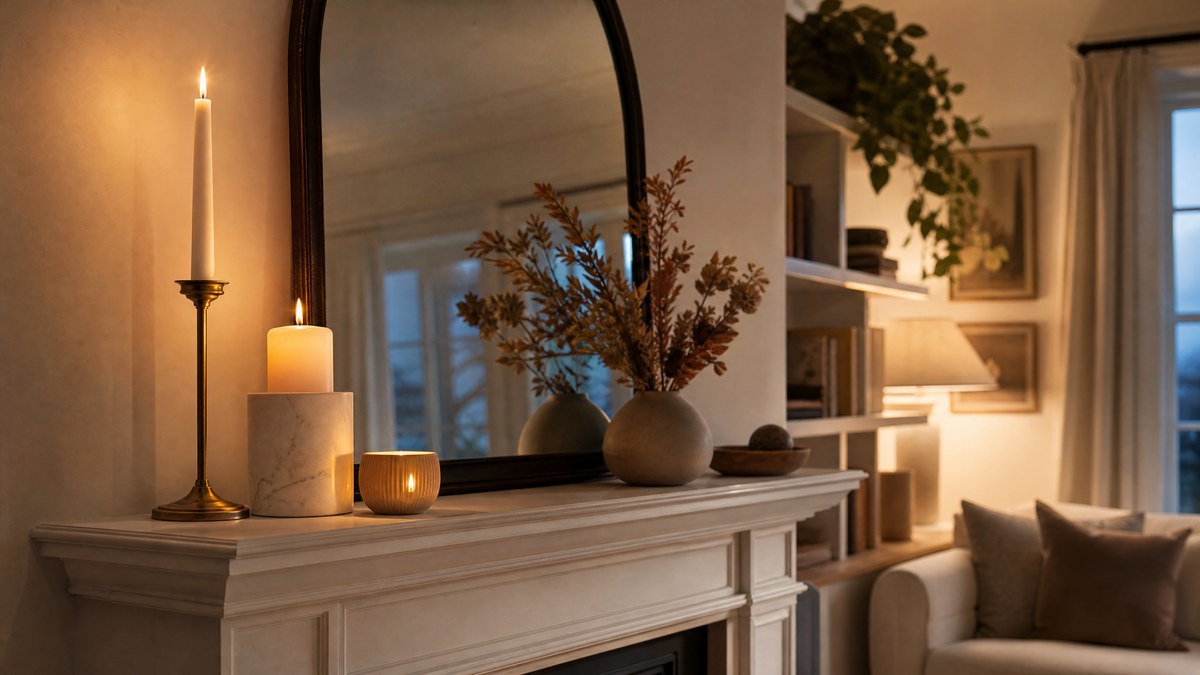
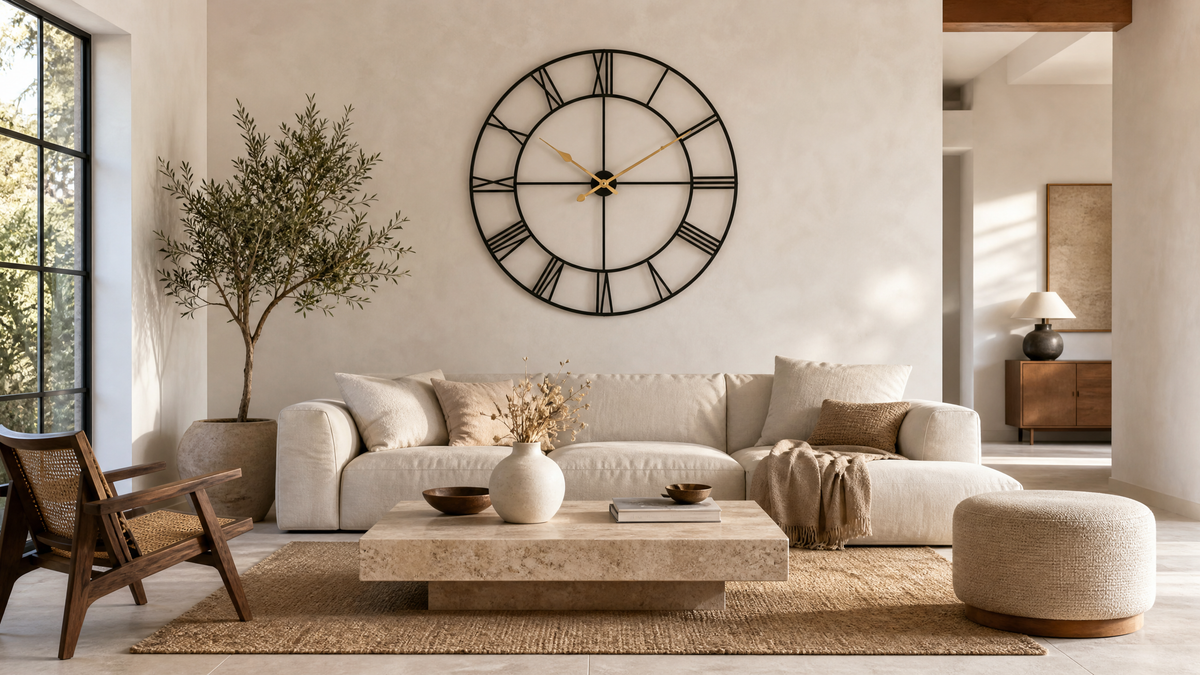
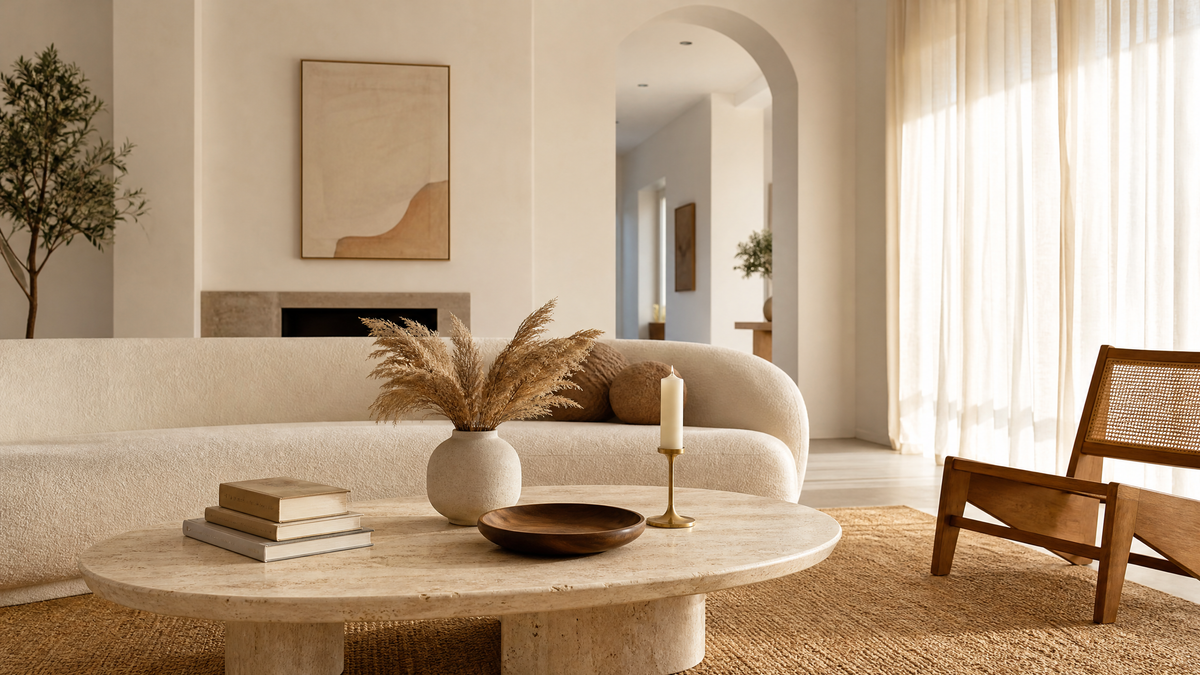
If there is one theme running through almost every interior trend in 2026, it is warmth. Terracotta, sand, rust, ochre, dusty rose, and warm amber are the colours dominating UK living rooms, and wall art is no exception. These earthy, grounding palettes soften a room without making it feel flat or dull. They work especially well in homes that mix modern furniture with natural textures — think linen cushions, wooden floors, and ceramic accessories.
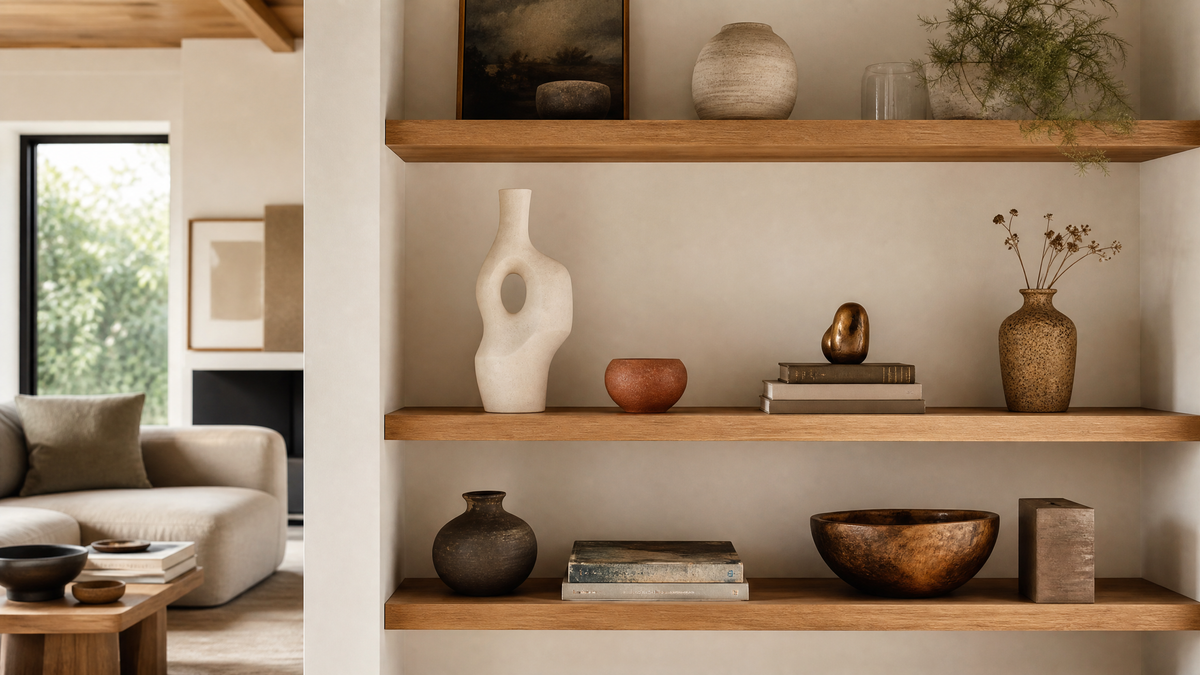
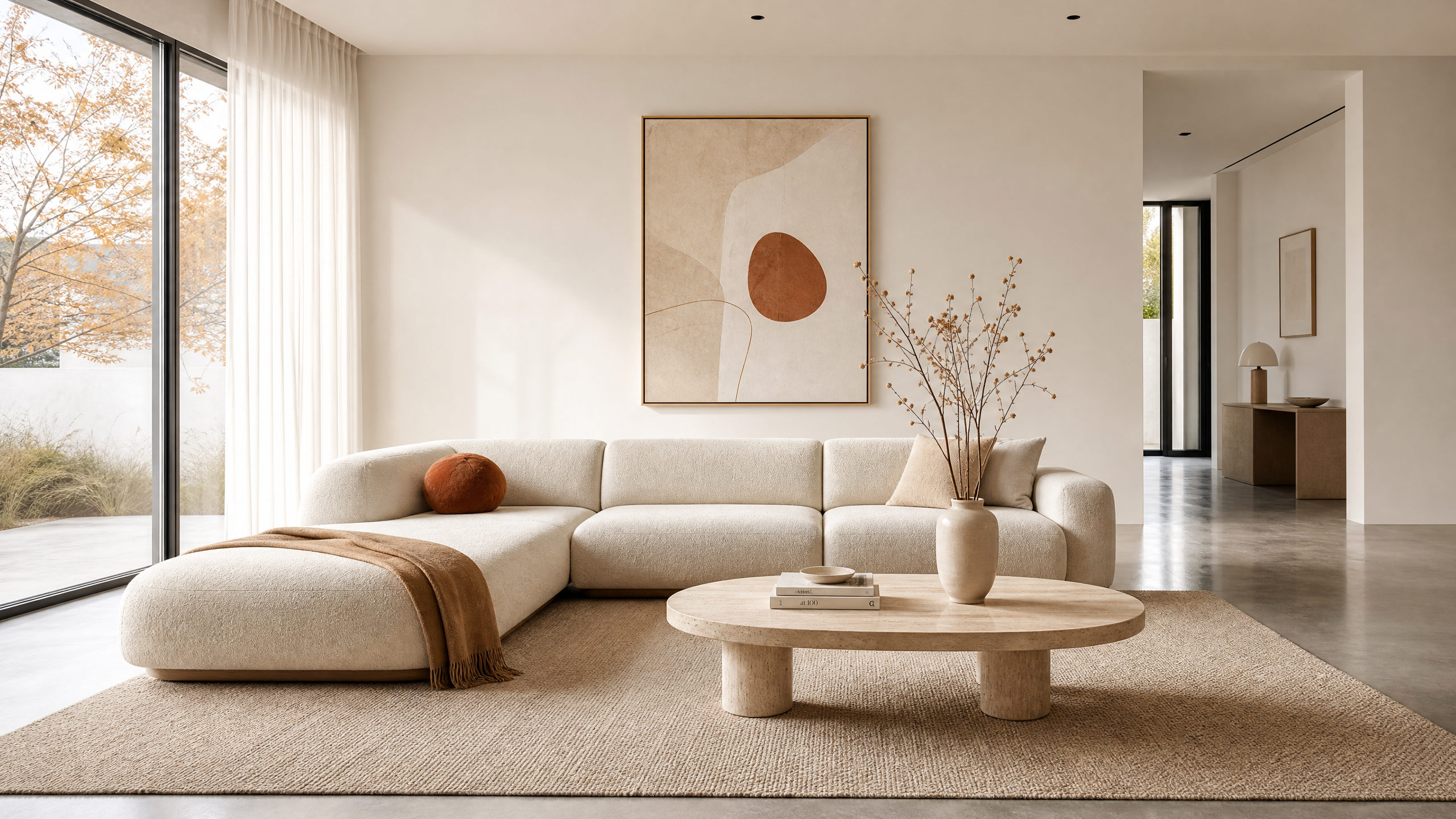
Choosing wall art in these warm tones is one of the simplest ways to create a cohesive, considered look. A large abstract print in terracotta and sand, for example, can tie together a neutral room and give it a genuine sense of warmth and life. Pair it with a few carefully chosen ornaments in complementary tones — a ceramic vase, a sculptural candle holder — and you have a room that feels genuinely pulled together rather than assembled from unrelated parts.
Oversized Art Is Replacing Cluttered Gallery Walls
One of the most significant practical shifts in wall art this year is the move away from busy gallery walls towards fewer, larger, more impactful pieces. Rather than filling a wall with a dozen small frames in mismatched styles, UK homeowners are increasingly choosing one or two oversized works that can anchor the entire space.
This approach feels calmer, more confident, and more architectural. A large-format abstract painting or a bold botanical print above a sofa creates an immediate focal point that draws the eye and gives the room a clear sense of direction. It also tends to make a space feel more finished and intentional — the difference between a room that has been thoughtfully designed and one that has simply been filled up.
When choosing an oversized piece, scale is everything. As a general rule, the artwork should be roughly two-thirds the width of the furniture it sits above. Hang it so the centre of the piece is at eye level — approximately 145–150 cm from the floor — and leave a gap of around 15–20 cm between the bottom of the frame and the top of the furniture beneath it. This creates a visual connection between the art and the room without making the wall feel cramped.
Abstract Art: Looser, Moodier, More Emotional
Abstract art has always been popular in UK homes, but in 2026 it is evolving. The polished, perfectly geometric abstracts of recent years are giving way to something rawer and more atmospheric. Visible texture, soft gradients, layered colour, and deliberately imperfect transitions are all part of the appeal. These pieces do not demand to be understood immediately — they create a feeling first, and a reading second.
This moodier, more emotional approach to abstract art makes it particularly effective in larger formats. A substantial abstract canvas with warm, earthy tones and visible brushwork can transform a plain wall into something genuinely compelling. It introduces depth and visual interest without adding clutter, and it works beautifully alongside other natural materials in the room.
Nature-Inspired Art With a Grown-Up Edge
Nature has been a constant source of inspiration in interior design for years, but in 2026 the aesthetic is maturing. We are moving away from the bright, cheerful botanical prints of the recent past and towards something moodier and more refined. Dried flowers, muted florals, textured branches, moody landscapes, and abstract interpretations of natural forms are all having a significant moment.
This evolution makes nature-inspired art feel more versatile and more adaptable to sophisticated modern interiors. A print of dried seed heads in warm sepia tones, or a moody landscape in soft greens and greys, can add a sense of calm and connection to the natural world without tipping into the overly rustic or the overly literal. These pieces work particularly well in bedrooms and quiet living spaces, where the goal is to create a slower, more restorative atmosphere.
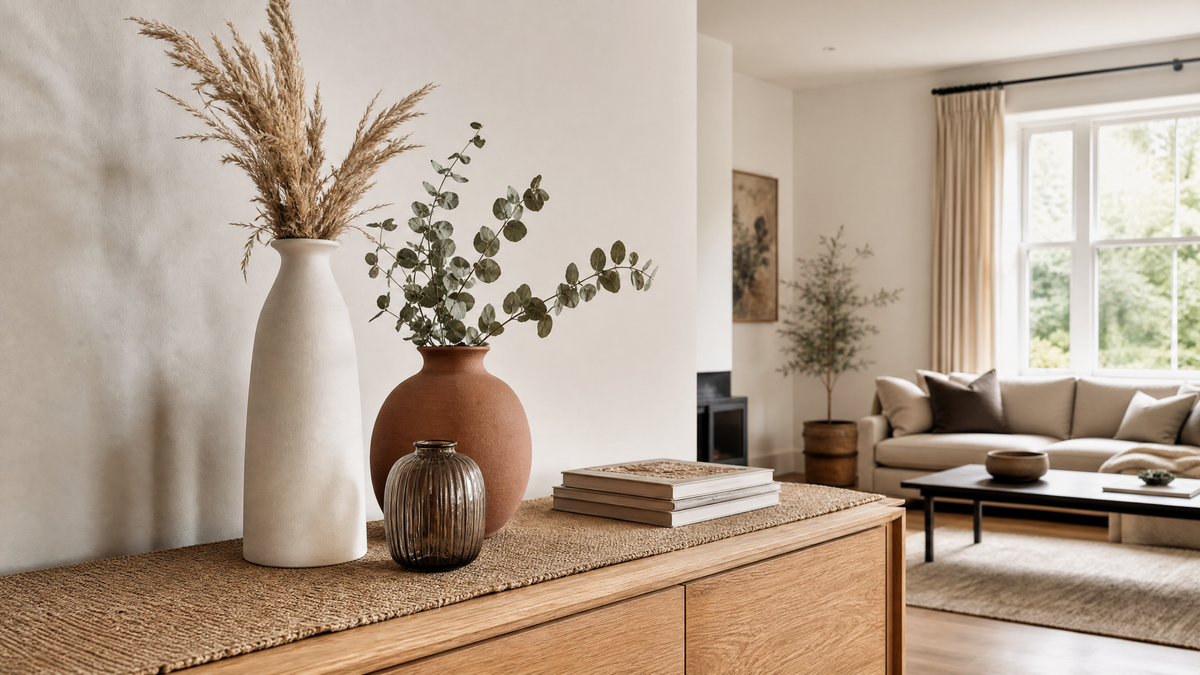
To complete the look, consider pairing nature-inspired wall art with living or dried botanicals in the room itself. A beautifully framed botanical print above a console table, alongside a planter with a trailing green plant and a simple ceramic vase, creates a layered, organic vignette that feels genuinely considered.
The Return of Vintage and the Art of Mixing Old and New
One of the most appealing trends in UK interiors right now is the art of mixing contemporary furniture with artwork that looks as though it has been gathered over time. Vintage-inspired prints — retro exhibition posters, old-style botanical illustrations, faded travel designs — bring a layer of character and history to a modern room that brand-new pieces simply cannot replicate.
The appeal is not purely nostalgic. It is about contrast. A retro print with worn edges and a slightly faded palette can break the smoothness of a very modern room and make it feel more layered and more personal. This approach works particularly well in hallways, kitchens, and living rooms where you want the space to feel lived-in and full of character rather than fresh out of a showroom.
Practical Tips for Hanging Wall Art
Choosing the right piece is only half the battle — how you hang it matters just as much. Here are a few simple guidelines that make a real difference.
Always hang art at eye level. The centre of the piece should sit at approximately 145–150 cm from the floor, which is the average eye level for a standing adult. In a room where people are mostly seated — such as a dining room — you can hang art slightly lower to suit the sightlines of someone sitting down.
Leave breathing room around each piece. Art that is hung too close to other objects or too near a corner can feel cramped and loses its impact. Give each piece enough space to be seen clearly and to make its full visual contribution to the room.
Consider the frame as part of the design. A slim black metal frame feels sharp and graphic, suiting bold abstract works and contemporary rooms. A warm oak or natural wood frame softens the look and works beautifully with the earthy, organic palettes that are so popular right now. For a more eclectic, collected feel, mixing frame styles and finishes across a wall can work wonderfully — just ensure there is a common thread, whether that is colour, subject matter, or scale.
Finding Your Perfect Piece
The best wall art is the kind that makes you feel something every time you walk past it. Whether that is a large, moody abstract in warm terracotta tones, a refined botanical print in muted greens, or a vintage-inspired poster that makes you smile, the right piece will make your home feel more like you.
At Hyggedecor, we believe that your walls deserve as much care and attention as any other part of your home. Explore our collection of wall art and discover pieces that will bring personality, warmth, and genuine character to your UK home. In 2026, your walls have never had more to say — make sure they are saying exactly the right thing.
Share:
Illuminating Your Home: The Top UK Lamp and Lighting Trends for 2026
More Than Just the Time: Why Wall Clocks Are the Must-Have Décor Piece for UK Homes in 2026