

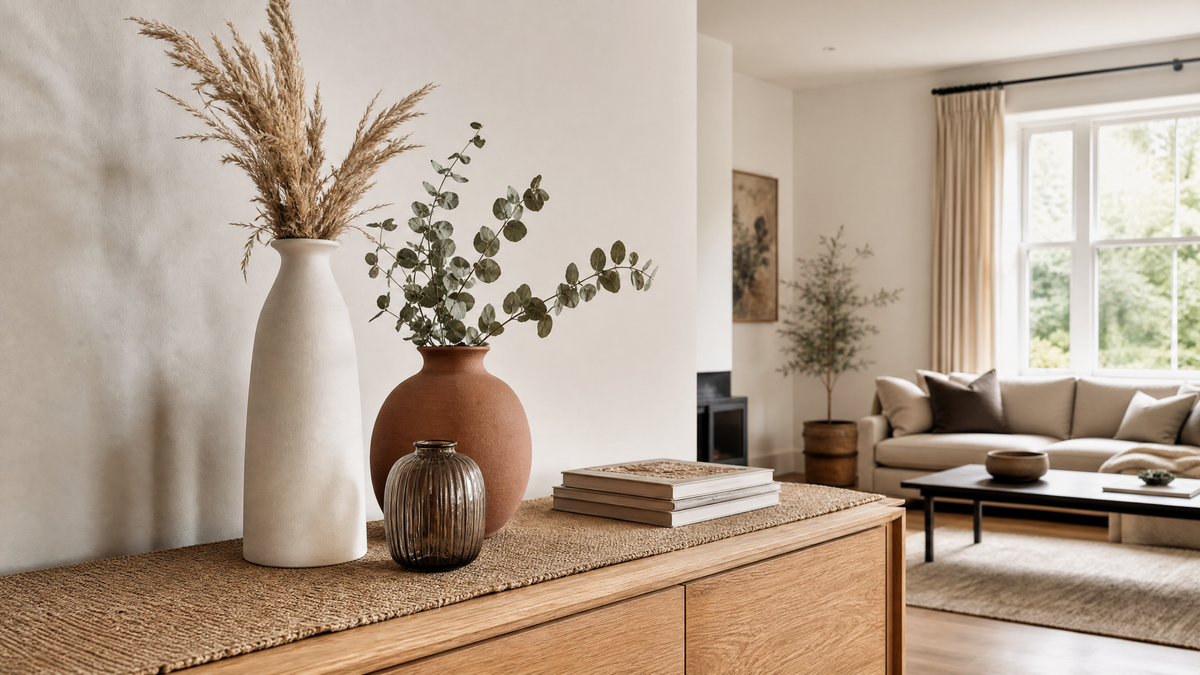
It is remarkable how much a single vase can do for a room. Change the vase on your sideboard and you change the energy of the entire space. Swap a heavy ceramic jug for a slender glass vessel and the room feels lighter, more refined. Replace it with a chunky terracotta piece and suddenly the whole atmosphere shifts to something warmer and more grounded. In 2026, UK homeowners are waking up to the transformative power of the decorative vase — and designers are treating these beautiful objects with the same care and intention they would give to a piece of furniture or a work of art.
Whether you are looking to refresh a shelf, style a console table, or create a stunning centrepiece for your dining room, understanding the current vase trends and styling principles will help you make choices that genuinely elevate your home.
The Vase Trends Shaping UK Homes in 2026
The dominant theme in vase design this year is a move towards materials that feel honest, tactile, and connected to the natural world. The smooth, mass-produced ceramics of recent years are giving way to pieces that show the hand of the maker — slightly imperfect hand-thrown shapes, matte finishes with subtle surface texture, and organic forms that feel as though they have been shaped by nature rather than a machine.
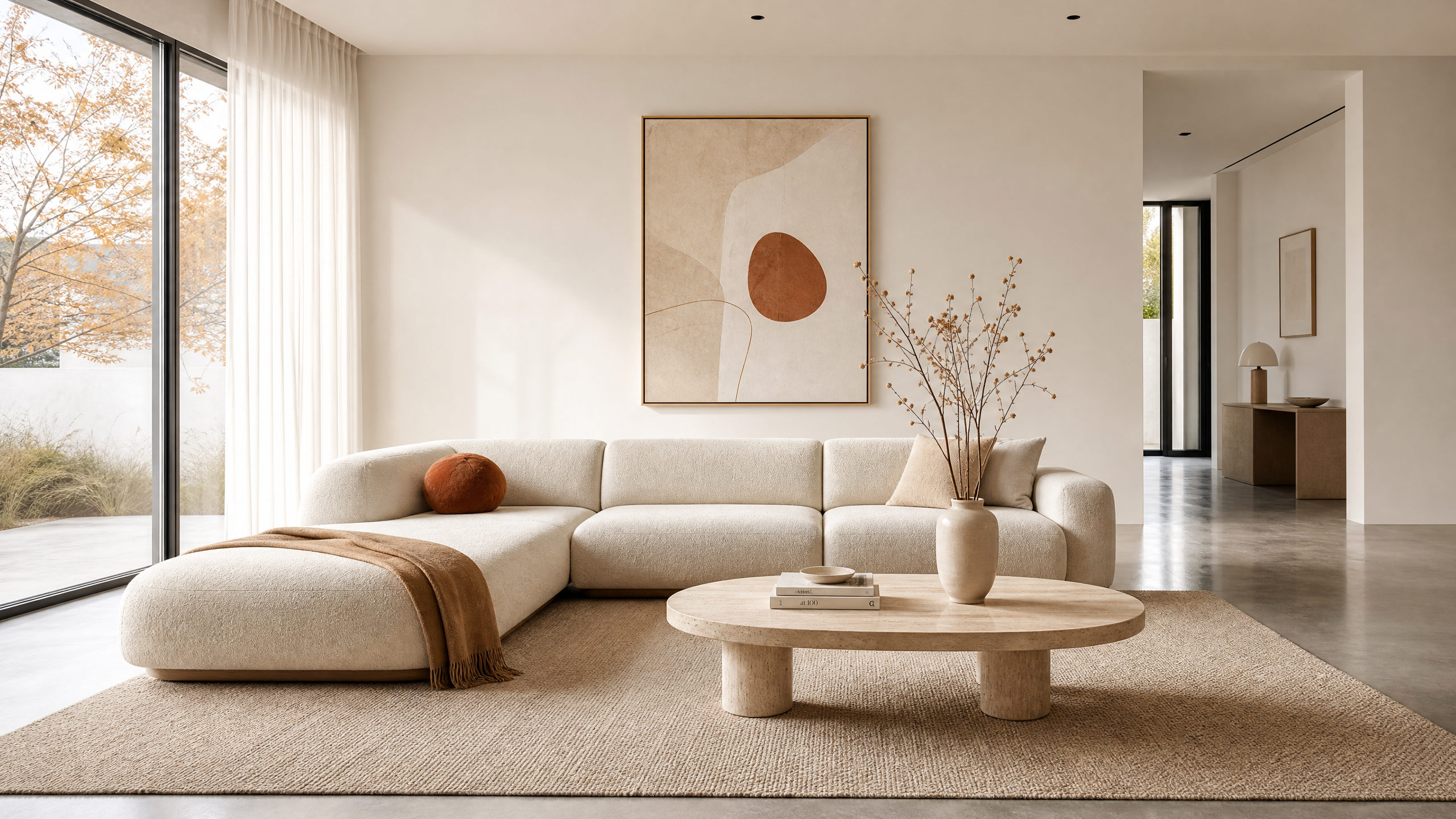
Sculptural ceramics are leading the way. In minimalist and neutral interiors — which continue to dominate UK homes — a beautifully crafted ceramic vase in warm white, sage, or clay provides a focal point that is both understated and deeply satisfying. The key is to look for pieces with interesting surface texture or architectural form: a slightly ribbed finish, a gently asymmetric silhouette, or a matte glaze that catches the light in a quiet, considered way.
Terracotta is having a significant moment in 2026, driven by the broader appetite for earthy, grounding palettes in UK interiors. A terracotta vase brings warmth and a sense of the handmade to any space. It pairs beautifully with natural materials — linen, rattan, raw wood — and sits perfectly within the warm, organic colour schemes that are so popular right now. The Japanese concept of wabi-sabi, which finds beauty in imperfection and the passage of time, is a guiding principle here. A terracotta vase with a slightly uneven glaze or a small natural variation in its surface is not a flaw — it is a feature.
Smoked and ribbed glass is the choice for those who want something a little more refined and contemporary. Glass vases catch and refract light in a way that ceramic cannot, making them particularly effective in rooms that need a little more luminosity. A group of three ribbed glass vases in varying heights on a console table or windowsill creates a beautiful, layered effect that feels both modern and timeless.
The Art of Styling Vases: Principles That Always Work
Choosing the right vase is only half the task — how you style it matters just as much. Here are the principles that interior designers rely on to create arrangements that feel genuinely considered rather than simply placed.
Work in odd numbers. Interior designers almost universally recommend grouping vases in odd numbers — one, three, or five. Three vases of graduating heights is the classic formula: it creates visual rhythm without feeling static or symmetrical. A tall, slender vase alongside a medium rounded piece and a small, low bowl creates a natural sense of movement and depth that a pair of matching vases simply cannot achieve.
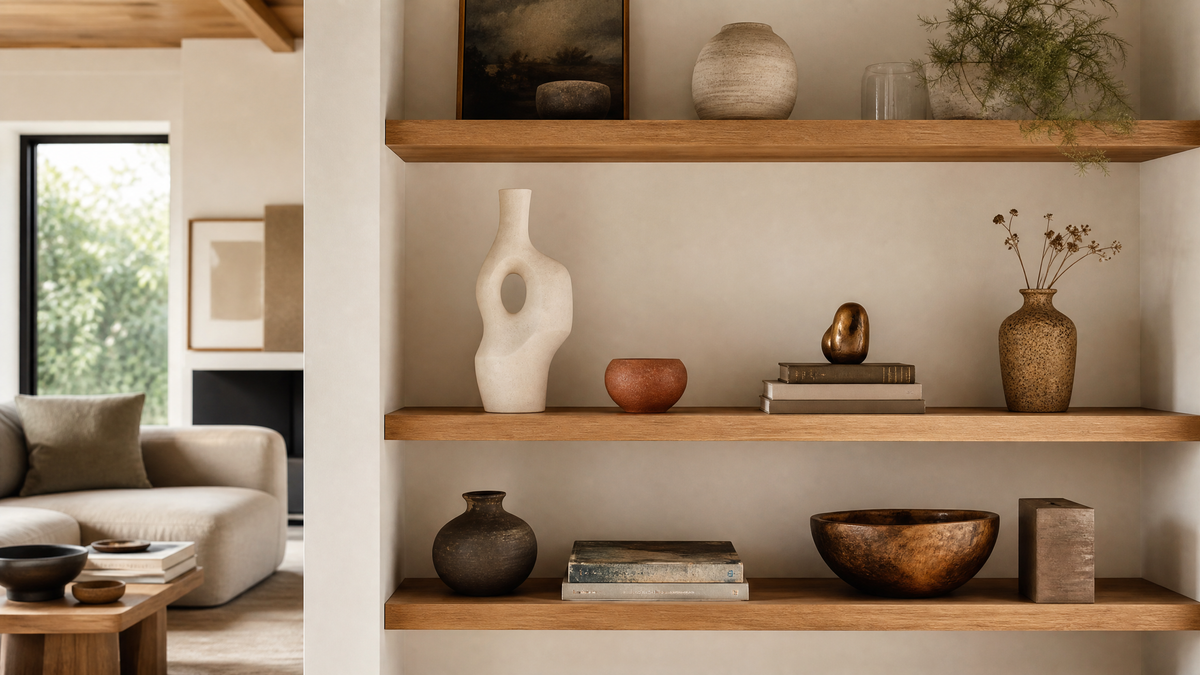
Vary height, shape, and material. The most visually interesting vase arrangements combine pieces that contrast with one another. A tall ceramic vase with a narrow neck alongside a wide, low terracotta bowl and a slender glass vessel creates a composition that rewards the eye. The contrast between different materials — the matte warmth of ceramic against the cool transparency of glass, for example — adds depth and sophistication to the arrangement.
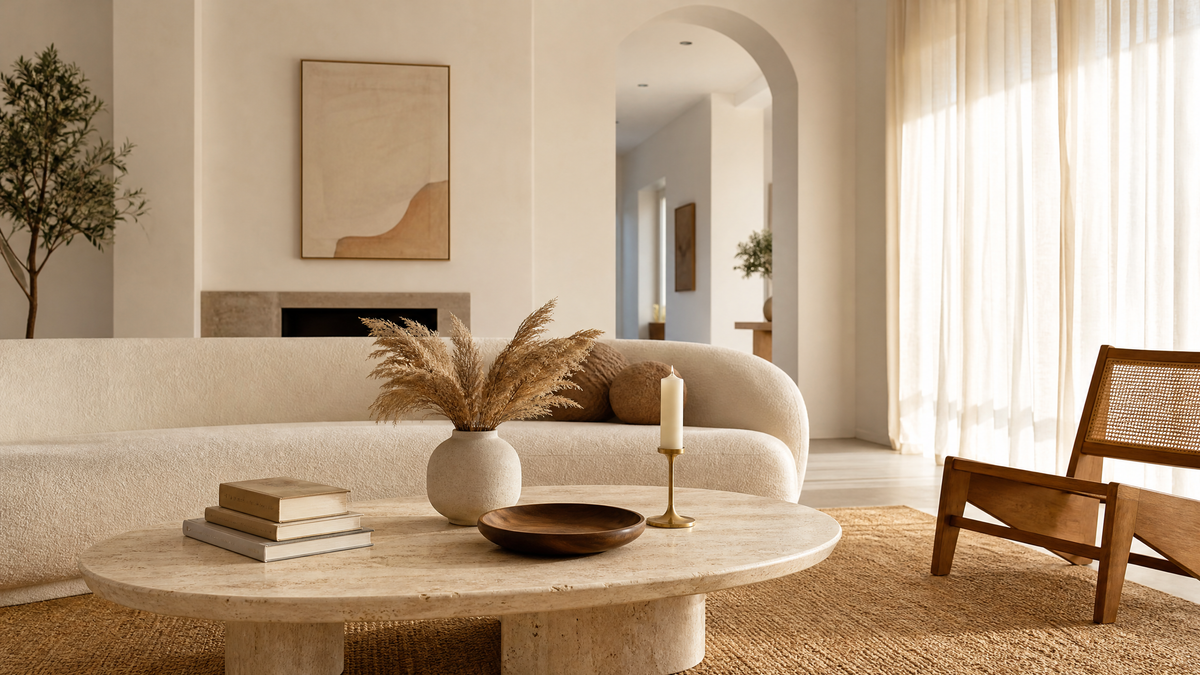
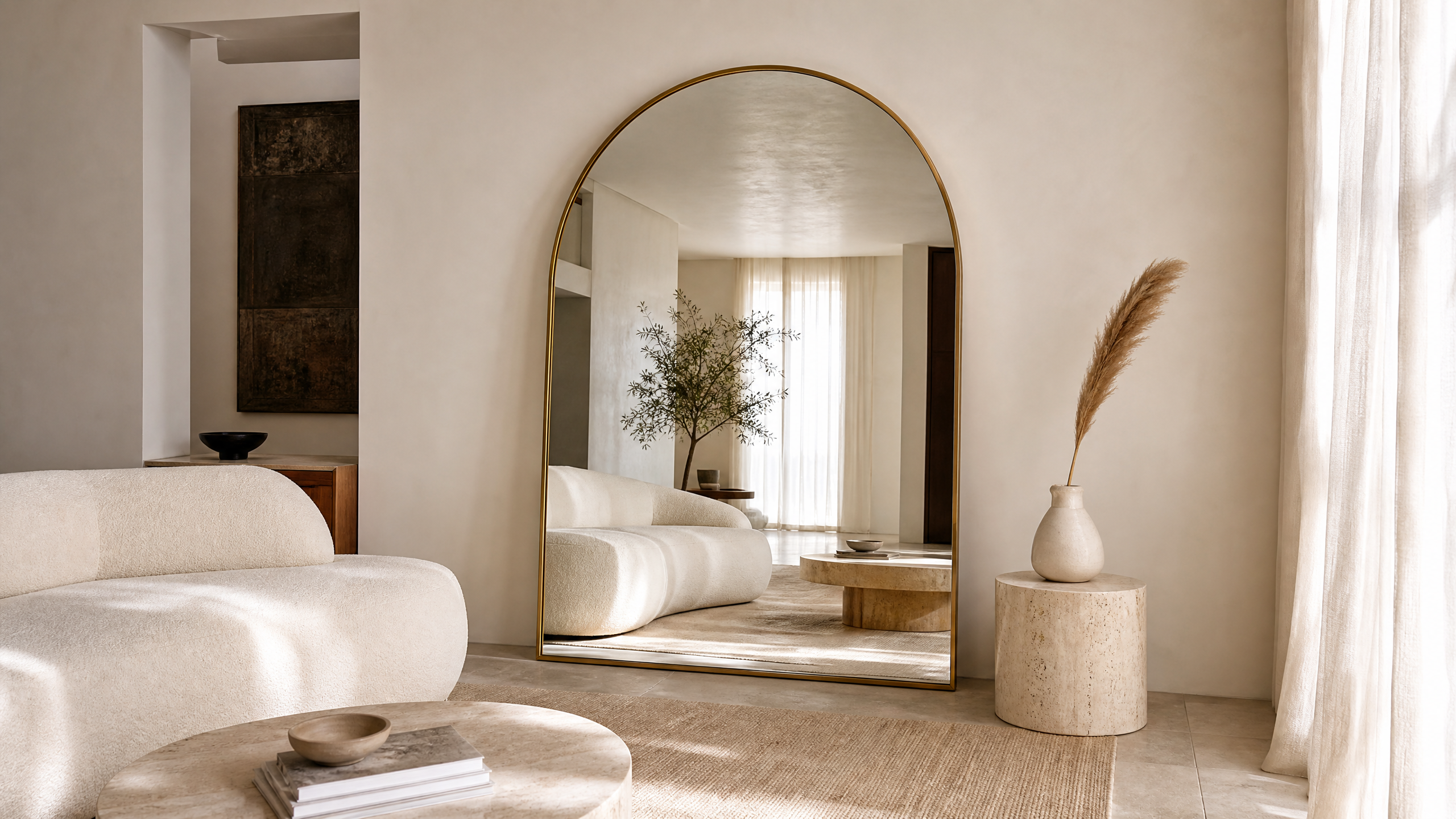
Consider what goes inside. A vase is only as beautiful as what it holds. In 2026, the most popular choices for UK homeowners are dried botanicals — pampas grass, dried seed heads, eucalyptus, and bleached branches — which bring organic texture and a sense of the natural world indoors without the maintenance of fresh flowers. Paired with a beautifully crafted planter and a few well-chosen artificial flowers, a vase arrangement can create a layered, botanical vignette that feels genuinely alive.
Think about the surface beneath. A vase placed directly on a wooden surface looks very different from one placed on a tray, a stack of books, or a marble plinth. Elevating a vase — even by just a few centimetres — gives it more visual presence and makes the arrangement feel more intentional. A simple wooden or marble tray beneath a group of vases instantly creates a sense of order and frames the composition beautifully.
Where to Place Vases for Maximum Impact
The most effective placements for decorative vases in UK homes tend to be the surfaces that are seen most often and that benefit most from a focal point.
The console table in the hallway is perhaps the most impactful location of all. It is the first thing you and your guests see when entering the home, and a beautifully styled console table with a striking vase arrangement sets the tone for the entire space. A single large vase with a dramatic dried branch or a group of three ceramics in complementary tones both work brilliantly here.
The living room sideboard or shelf is another natural home for decorative vases. Here, the arrangement can be more layered and personal — mixing vases with candle holders, small sculptures, and books to create a vignette that feels collected and genuinely reflective of your taste.
The dining table is increasingly being styled with a central vase arrangement rather than a traditional floral centrepiece. A group of three ceramic vases in earthy tones, filled with dried botanicals or simple seasonal stems, creates a relaxed, natural centrepiece that works for both everyday meals and more formal occasions.
Choosing the Right Vase for Your Interior Style
If your home leans towards a minimalist or Japandi aesthetic, choose sculptural ceramics with clean lines and matte finishes in neutral tones. Keep the arrangement simple — one or three pieces maximum — and let the form of the vase do the work.
For a warm, eclectic interior with natural textures and earthy tones, terracotta and stoneware vases in irregular shapes are your best friends. Mix them freely with wooden objects, woven baskets, and natural textiles for a look that feels genuinely lived-in.
If you prefer a more glamorous or contemporary look, smoked glass, ribbed glass, and vases with metallic accents will serve you well. These pieces catch the light beautifully and add a sense of refinement and polish to a room.
Finding Your Perfect Vase
The right vase is one of the simplest and most rewarding investments you can make in your home. It requires no installation, no commitment, and no specialist knowledge — just a good eye and a willingness to experiment. Start with one beautiful piece that genuinely excites you, then build from there.
At Hyggedecor, we curate our collection of vases with exactly this in mind — choosing pieces that are beautiful, versatile, and genuinely worth living with. Explore our range and discover the vase that will change the energy of your home.
Share:
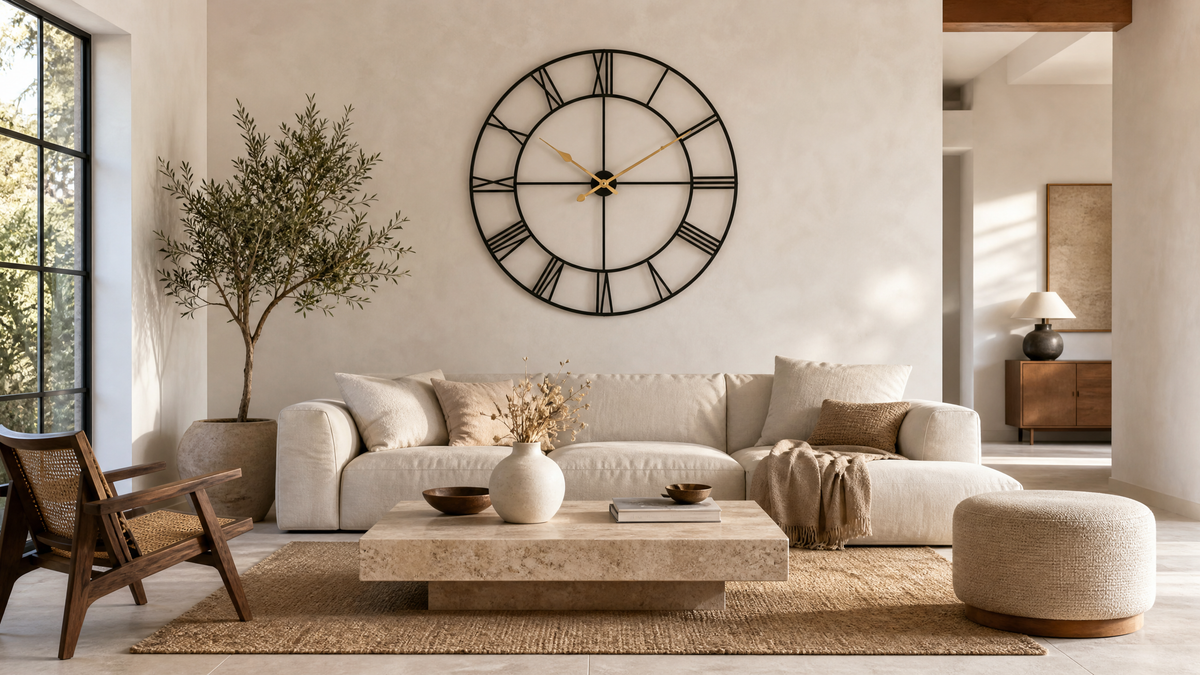
More Than Just the Time: Why Wall Clocks Are the Must-Have Décor Piece for UK Homes in 2026
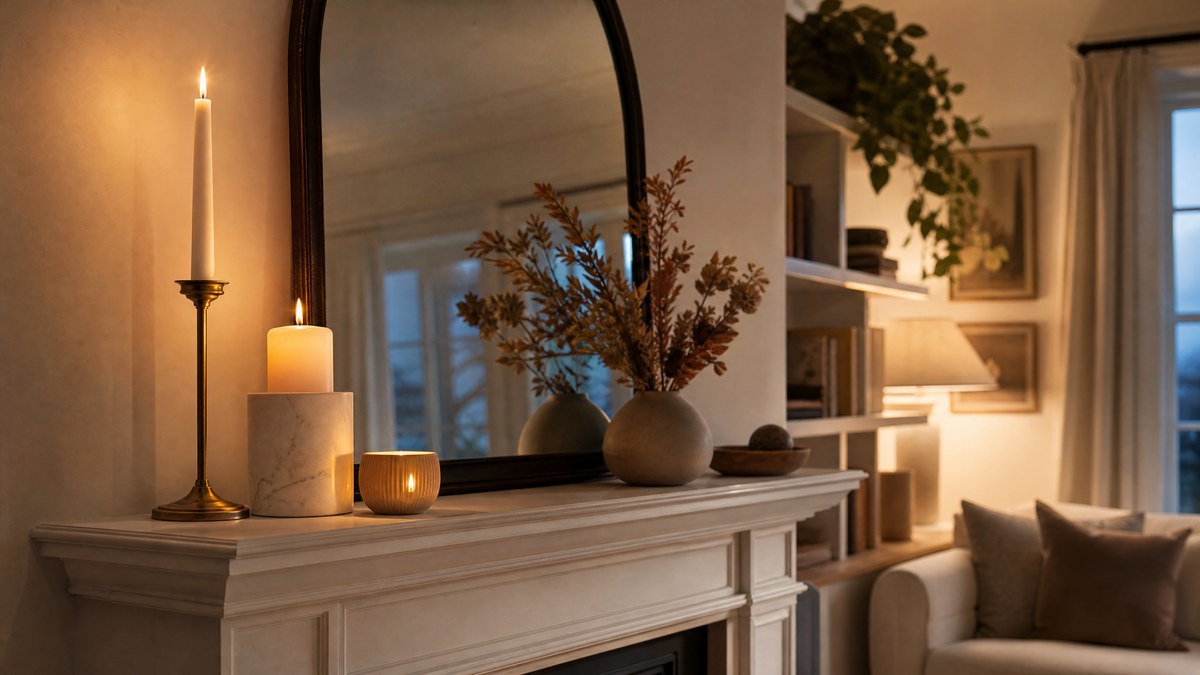
Light the Way: How Candle Holders Are Transforming UK Homes in 2026